

Represented US-Mexico and US-Canada border locations, refreshed on source cadence.
Source-fact-ready published wait updates with source policy checks, anomaly signals, source freshness, and historical baselines across represented US-Mexico and US-Canada border locations.
Each data area shows what it helps you understand, current coverage, update timing, and known limits. Direct access to detailed or historical records depends on your account plan.

Border operations view
Current waits, weather, reports, and commercial context stay linked to each crossing and original source; use notes show when information is ready for customer-facing claims.
Midday Border Update - October 13, 2026
- No active border wait-time data in the last 2 hours (latest CBP/CBSA pull is 2026-10-13T18:47:48.421Z, ~12 minutes old), so current land-border delay hot spots cannot be validated from this feed. - Airport bottleneck: SAN (San Die
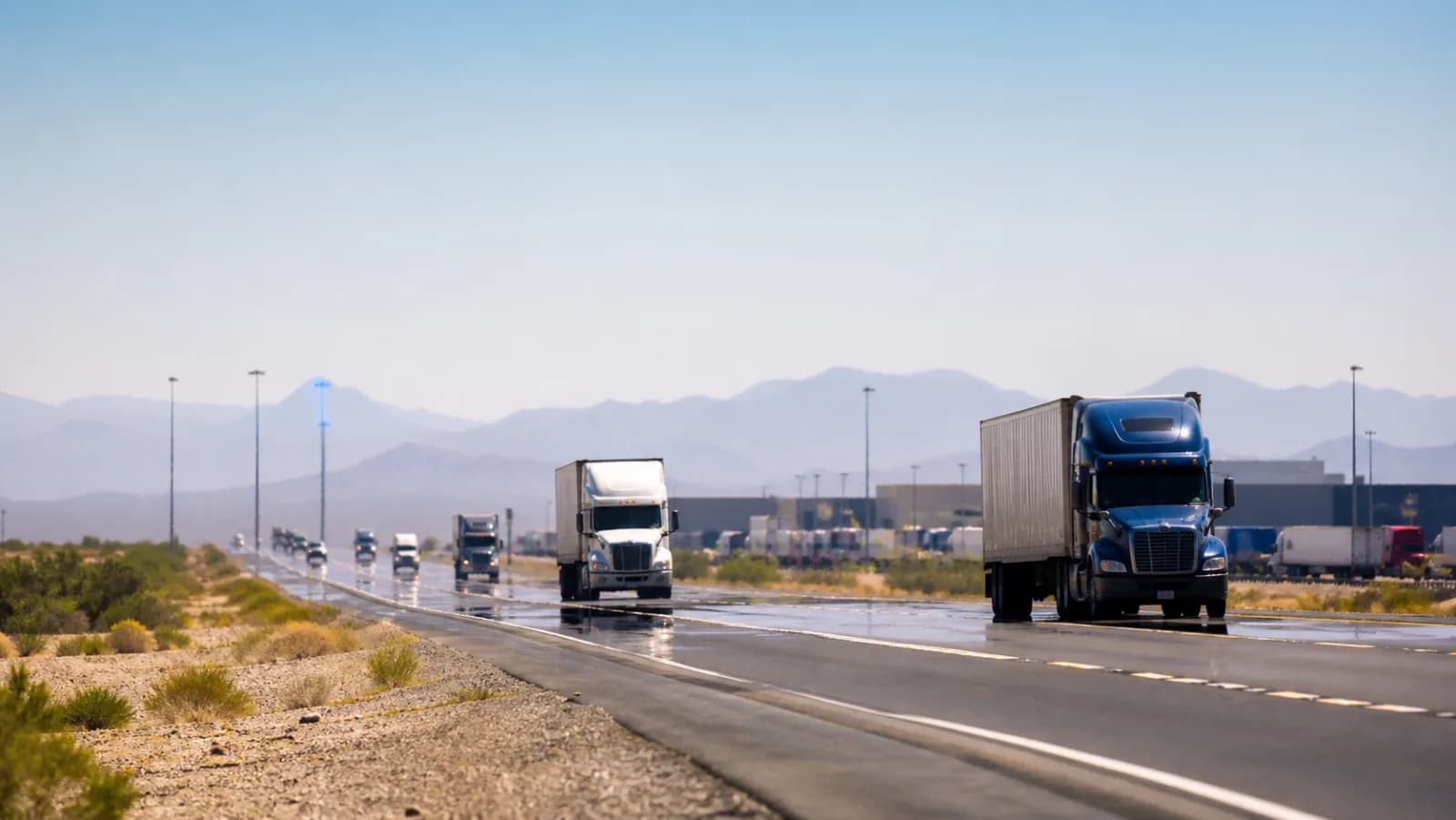
US Border Logistics Briefing - October 13, 2026
Border conditions are comparatively quiet on the live wait-time side this morning, but the absence of active crossing data in the last two hours limits confidence in any corridor-by-corridor congestion read. The operational story is therefore being driven more by adjacent risk signals than by measur
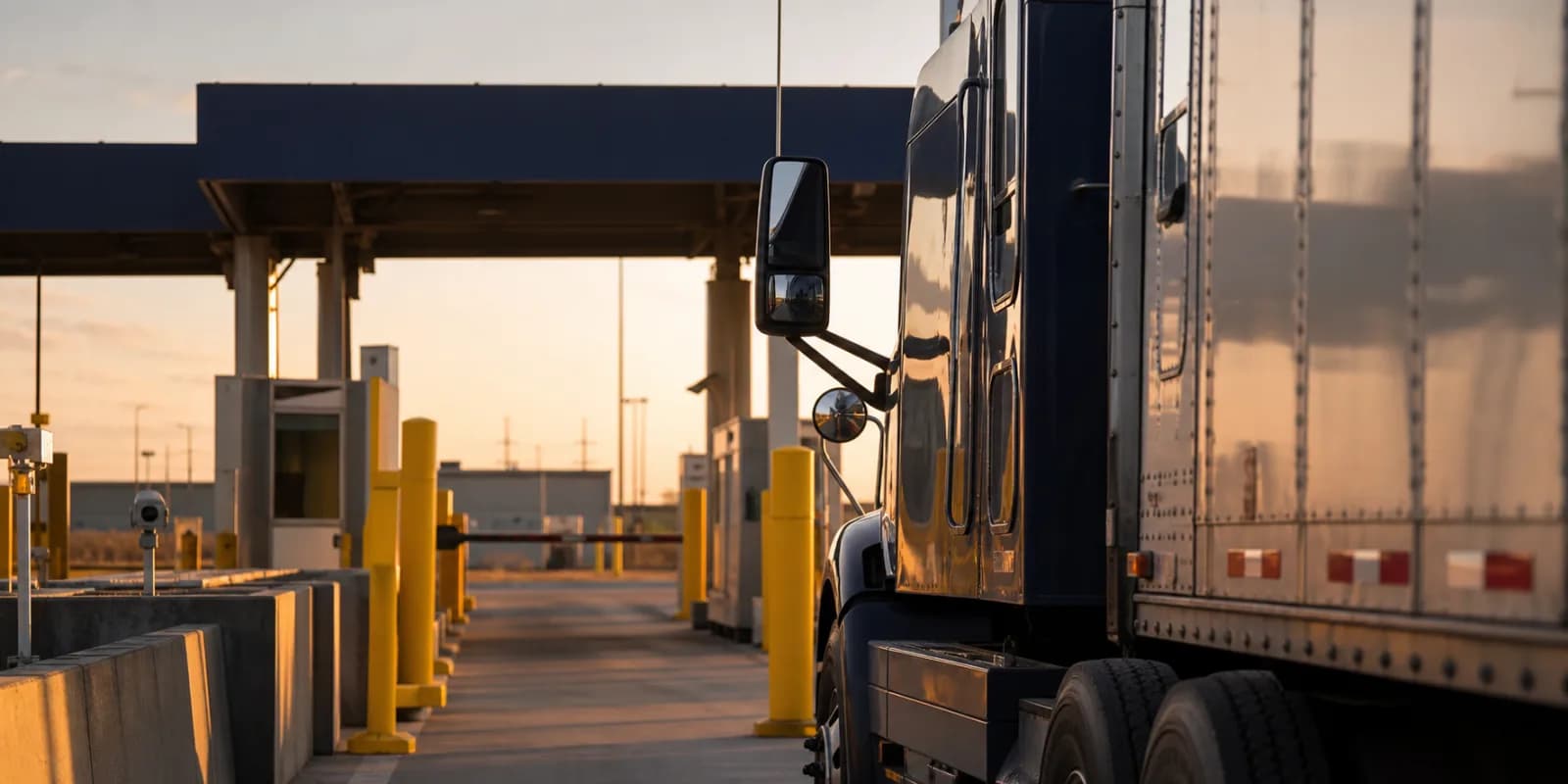
Midday Border Update - October 12, 2026
No active CBP/CBSA wait time data has been reported in the last 2 hours, so no specific land-border “hot spots” can be confirmed from current feeds. - Not measurable: Wait time deltas cannot be assessed because there is no active wait time data
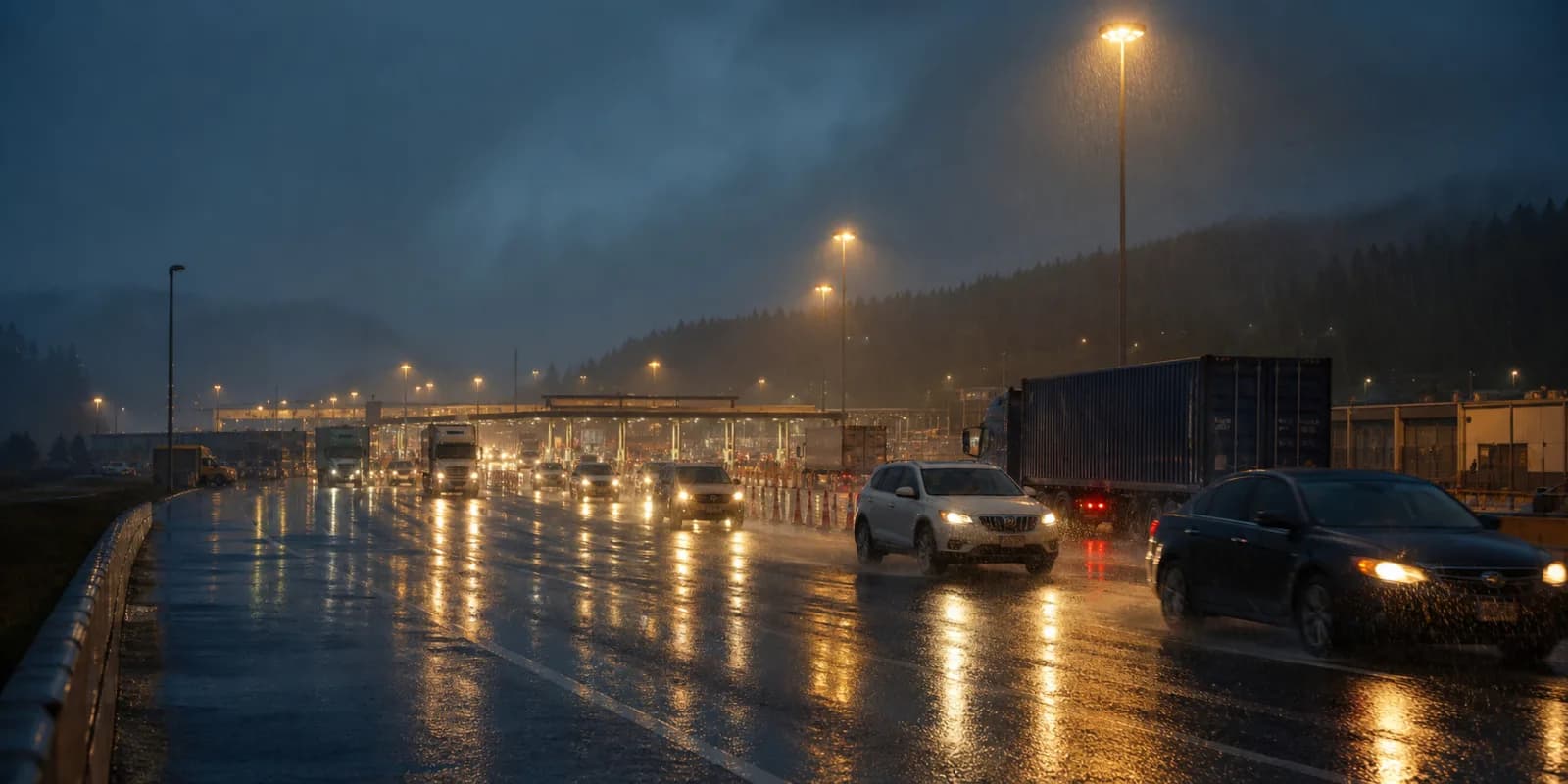
US Border Logistics Briefing - October 12, 2026
Border conditions are notably quiet on the wait-time front this morning, but that lack of active crossings data should be treated as a data-state issue rather than a clean all-clear. CBP/CBSA’s latest pull is fresh at 12 minutes old, yet it reports no active wait time data in the last two hours, so
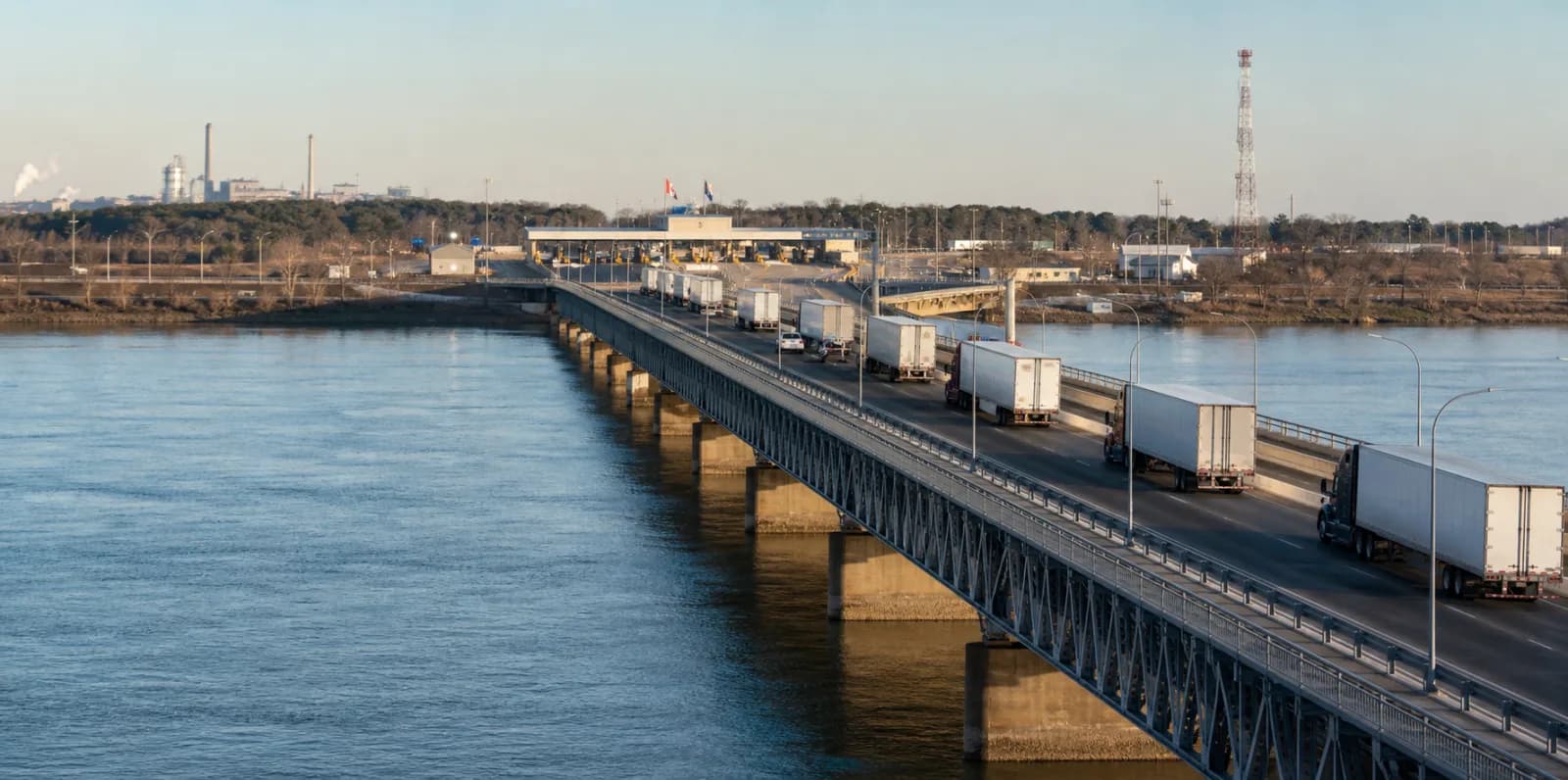
US Border Logistics Briefing - October 11, 2026
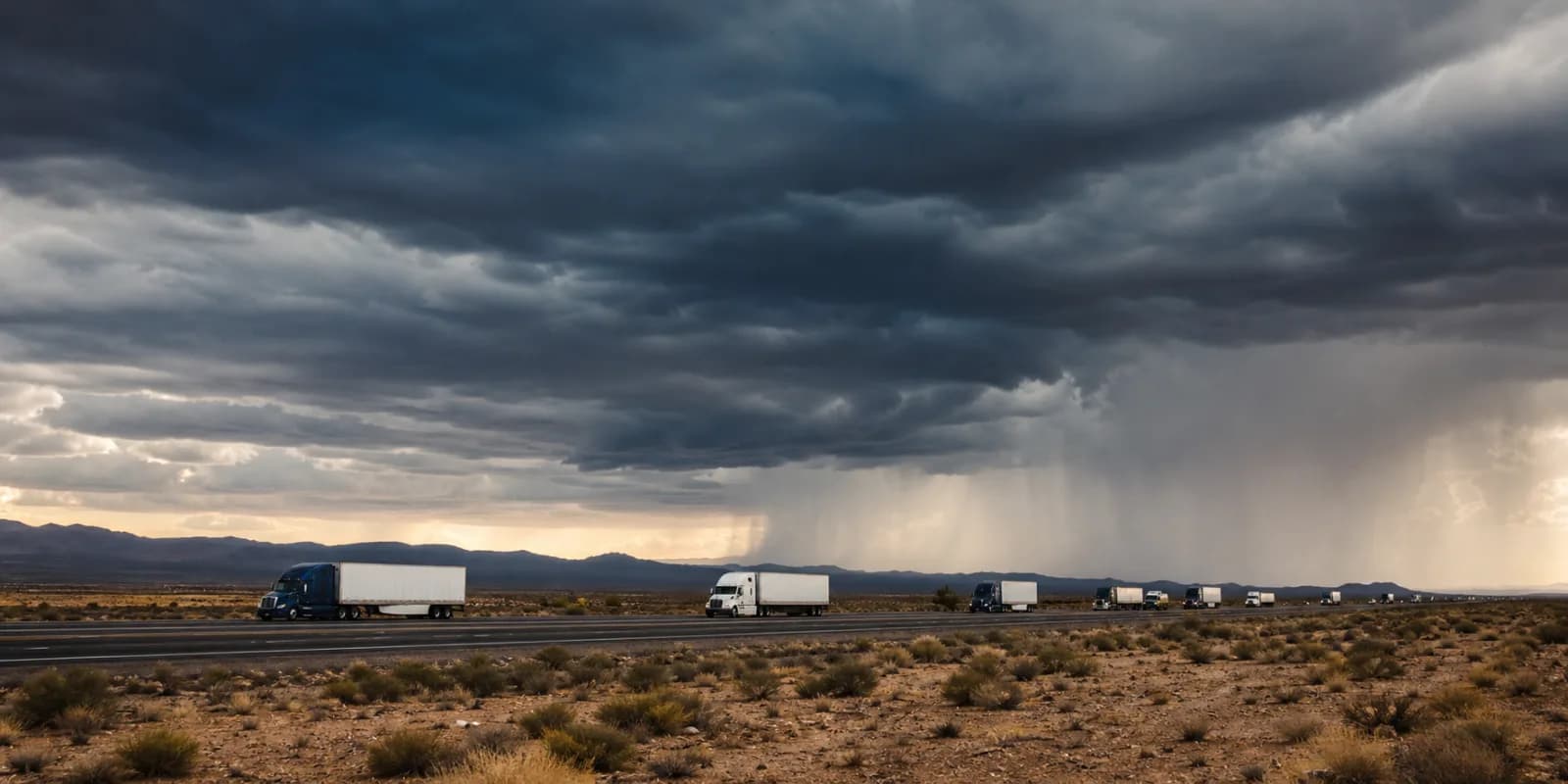
Border conditions this morning are being driven less by measured queue times and more by weather, airport disruption, and a generally information-light crossing feed. The latest CBP/CBSA pull is fresh at 12 minutes old, but it shows no active wait-time data in the last two hours, so there is no curr
US Border Logistics Briefing - October 10, 2026
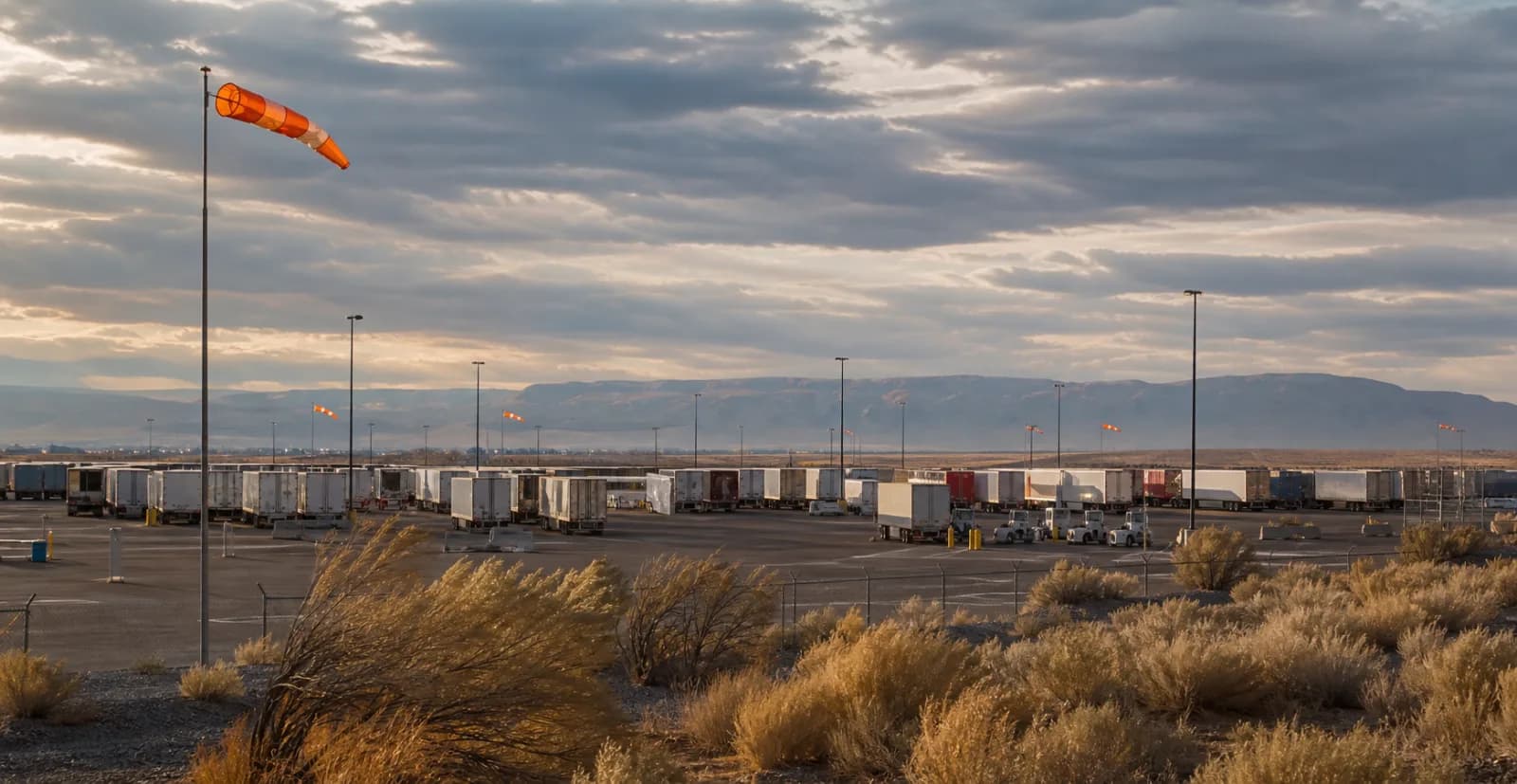
Border-operating conditions at the U.S. ports of entry are comparatively quiet on the measurable wait-time side this morning, but the absence of active wait data is itself an operational limitation: the latest CBP/CBSA border pull is fresh, yet it reports no active wait time data in the last two hou
CBP Border Wait Times
Every 15 minUS Customs & Border Protection
Published wait-time observations at represented US land border ports, by lane type where published.
Use note: Use with the listed source date, coverage note, and linked report before acting.
CBSA Border Wait Times
Every 15 minCanada Border Services Agency
Published Canadian-side wait times for represented US-Canada crossings, plus service-standard context where available.
Use note: Use with the listed source date, coverage note, and linked report before acting.
Wait time data is pulled directly from CBP and CBSA at the cadence each agency publishes. ready for customer use use requires packet evidence IDs, source timestamps, source freshness, source policy checks, and row claim guidance. Anomaly detection runs statistical comparisons against rolling baselines, flagging deviations beyond two standard deviations. Forecast fields are treated as enabled model/rule outputs only when the deployed service provides them.
“What source-fact-ready waits exist for Laredo World Trade?”
Returns latest published commercial standard, FAST, and passenger updates with source timestamp, freshness, and anomaly classification when available.
“How does this compare to a typical Tuesday?”
Compares timestamped values to the rolling baseline for the same hour and day-of-week.
Build with the border domain.
Choose email reports, secure API access, feeds, or webhooks to fit how your team or system works.